
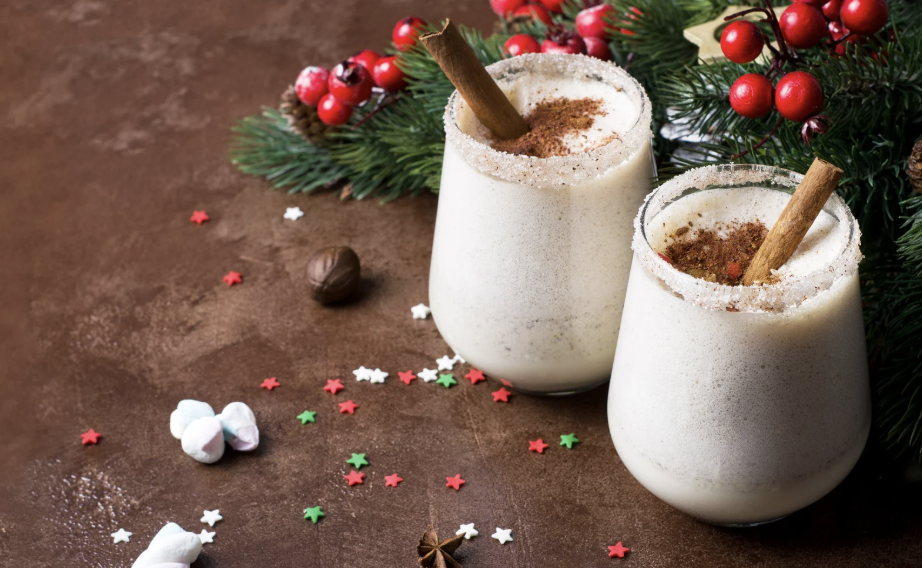
The festive period often brings a different rhythm to life. Training may still be happening, but social plans increase, routines soften and alcohol becomes more present. This is not a lack of discipline. It is a normal response to a time of year that prioritises connection, celebration and stepping away from structure.
For most athletes, occasional drinking during the festive period will not undo hard work or derail progress. Where challenges can arise is when festive habits quietly become the norm rather than the exception. Regular late nights, disrupted meals and more frequent alcohol intake can gradually affect recovery, energy levels and training consistency, often without being immediately obvious.
Balancing alcohol and athletic performance during the festive period is ultimately about perspective. Performance is not built or lost in a single evening or week. It is shaped over months and years by consistent training, adequate fuelling and quality recovery, with room for enjoyment along the way.
Alcohol and Athletic Performance, Understanding the Bigger Picture
When athletes think about alcohol, the conversation often becomes polarised. Alcohol is either viewed as something that completely undermines training, or something that does not matter at all. The reality sits between those extremes. Alcohol and athletic performance are connected, but the relationship is nuanced.
Alcohol does not support training adaptation, recovery or performance directly. However, it does interact with energy intake, hydration, sleep and recovery behaviours. Understanding this interaction allows athletes to make informed decisions without guilt or unnecessary restriction.
The goal is not to avoid alcohol entirely, but to understand how it fits into the wider picture of training load, recovery demands and lifestyle.
Calorie Content of Alcohol in Context
Alcohol provides energy, with each gram containing around seven kilocalories. This places it between carbohydrate and fat in terms of calorie density. Unlike protein or carbohydrate, alcohol does not contribute to muscle repair, glycogen replenishment or adaptation.
| Nutrient | Calories per gram |
|---|---|
| Protein | 4 kcal |
| Carbohydrate | 4 kcal |
| Alcohol | 7 kcal |
| Fat | 9 kcal |
For athletes with high training demands, this matters most when overall energy intake is already stretched. Alcohol calories can displace nutrients that would otherwise support recovery, immune function and hormonal health. This does not mean that drinking alcohol automatically leads to fat gain. It means that repeated intake without awareness can slowly influence energy balance over time.
When discussing alcohol and athletic performance, calories are often the first thing people focus on. However, calories alone do not explain the full impact.
Where Alcohol Calories Really Come From
Alcohol calories come from two main sources, the alcohol itself and what is added to it. Spirits on their own contain relatively little energy. The biggest increase in calories often comes from mixers such as full sugar tonic, lemonade, fruit juice and syrups.
Cocktails are a common example of this. A single drink can contain several sources of added sugar alongside the alcohol. Over the course of an evening, these additions can accumulate quickly, particularly during festive periods where drinks are often larger and more frequent.
Understanding alcohol and athletic performance often starts with simple awareness. Knowing what is in a drink allows athletes to make choices that align with their goals, without feeling the need to opt out of social occasions altogether.

How the Body Metabolises Alcohol
Alcohol is metabolised differently from other nutrients. Once consumed, it is absorbed quickly and sent directly to the liver. The liver prioritises alcohol metabolism because alcohol is toxic and cannot be stored.
While alcohol is being processed, the body temporarily reduces its use of fat and carbohydrate for energy. Alcohol is converted into acetaldehyde and then into acetate, which is used as an immediate fuel source. During this time, fat oxidation is reduced.
This is a normal physiological response and not something to fear. Issues arise when this process is repeated frequently. Regular alcohol intake means repeated interruptions to normal fuel use and recovery processes. Over time, this can influence body composition, recovery quality and training consistency.
Understanding alcohol and athletic performance helps athletes see that it is the overall pattern that matters most, not a single drink or evening.
Alcohol, Recovery and Sleep
Training adaptation does not happen during the session itself. It happens in the hours and days that follow. Recovery, sleep and refuelling are where progress is consolidated.
Alcohol can interfere with these processes in subtle ways. It can reduce muscle protein synthesis, particularly when consumed close to training. This does not mean a session is wasted, but it may slightly blunt the recovery response.
Alcohol also increases urine output, which can contribute to dehydration. This is particularly relevant after hard or sweaty sessions, or when alcohol intake replaces fluids that would otherwise support rehydration.
Sleep is another key factor. Alcohol may help you fall asleep faster, but it disrupts deeper stages of sleep later in the night. Poor sleep affects recovery, mood, hormonal regulation and readiness to train. Over time, this can influence consistency and perceived effort in training.
When athletes notice training feels harder during social periods, it is rarely due to alcohol alone. It is often the combination of alcohol, reduced sleep, dehydration and irregular meals stacking together.
Cocktails, Mixers and Lower Calorie Choices
Not all alcoholic drinks have the same impact. Drinks with fewer mixers and less added sugar tend to sit more comfortably alongside training. Simpler combinations, such as spirits with soda water or dry wines, usually contain fewer calories than cocktails made with syrups, juices or cream based ingredients.
Alcohol free alternatives have also improved significantly in recent years. Some athletes now use them especially during busy social periods, allowing them to stay involved socially without compromising sleep, hydration or next day training.
Alcohol and athletic performance is about options, not absolutes. Having choice allows flexibility rather than restriction.
The tables below provide estimated calorie content for common festive drinks, spirits and mixers. Values will vary depending on brand and serving size, but they offer useful context.
Estimated Calorie Content of Common Festive Drinks
| Drink | Typical Serving | Approximate Calories |
|---|---|---|
| Lager | Pint | 180–220 kcal |
| Beer | Pint | 170–210 kcal |
| Cider | Pint | 210–250 kcal |
| Red or white wine | 175 ml | 120–130 kcal |
| Prosecco | 125 ml | 85–95 kcal |
| Mojito | Cocktail | 150–170 kcal |
| Pornstar martini | Cocktail | 220–260 kcal |
| Espresso martini | Cocktail | 200–240 kcal |
| Baileys | 50 ml | 160–170 kcal |
| Eggnog | 200 ml | 250–350 kcal |

Spirits, Calories per Single Measure
| Spirit | 25 ml | Approximate Calories |
|---|---|---|
| Vodka | 25 ml | 55 kcal |
| Gin | 25 ml | 55 kcal |
| Rum | 25 ml | 60 kcal |
| Tequila | 25 ml | 55 kcal |
| Whisky | 25 ml | 55 kcal |
| Brandy | 25 ml | 60 kcal |
Mixers and Their Impact
| Mixer | 200 ml | Approximate Calories |
|---|---|---|
| Soda water | 200 ml | 0 kcal |
| Diet cola | 200 ml | 1–2 kcal |
| Slimline tonic | 200 ml | 5–10 kcal |
| Tonic water | 200 ml | 80–90 kcal |
| Lemonade | 200 ml | 90–100 kcal |
| Cola | 200 ml | 85–90 kcal |
| Orange juice | 200 ml | 85–95 kcal |
| Cranberry juice | 200 ml | 85–100 kcal |
These comparisons highlight how much of a drink’s calorie content often comes from the mixer rather than the alcohol itself. Over one drink, the difference is small. Over several social occasions, it can influence recovery, energy availability and how you feel in training.
Final Thoughts
Alcohol does not need to be removed from an athlete’s life to support performance. It needs to be understood. When approached with awareness and context, alcohol can coexist with training, even during the festive period.
The aim is not perfection. It is consistency over time, supported by adequate fuelling, quality sleep and recovery, with space for enjoyment. If alcohol feels confusing within your training or body composition goals, that conversation is worth having. Performance nutrition should support your life, not restrict it.
If you would like personalised performance nutrition support to improve energy, recovery and consistency in training, I offer one to one guidance tailored to your goals, training load and lifestyle. Book a free 15 minutes Discovery Call, to discuss the right plan for you.


