
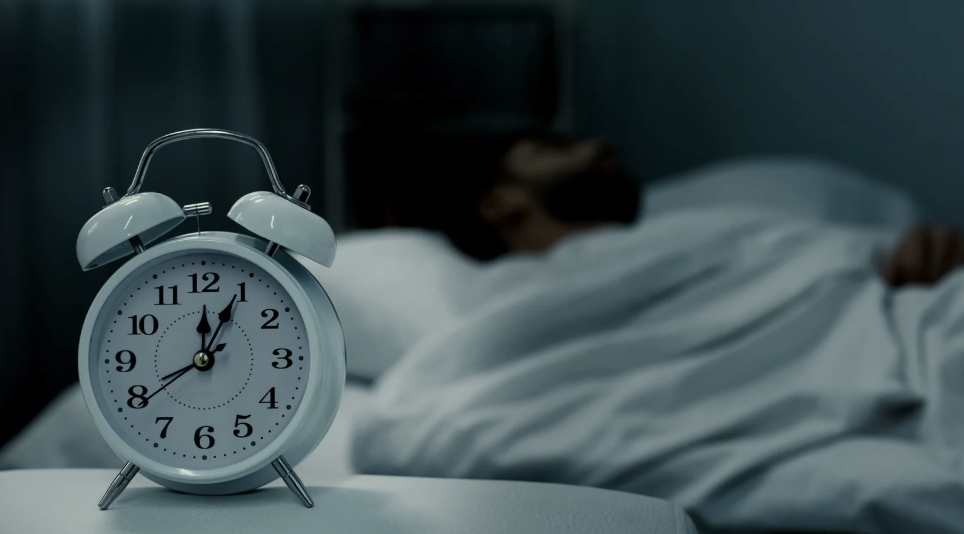
Most athletes focus on training and nutrition but underestimate what happens when the lights go out. The Forgotten 8 Hours are when your body rebuilds, repairs, and restores balance. Yet sleep remains one of the most underused recovery tools in sport. The link between sleep and performance is stronger than most realise.
A client recently told me she’d seen a post ranking unhealthy habits out of ten. Vaping scored ten, smoking ten, stress ten. Then came sleep. She said it stopped her in her tracks. She eats well, walks 15,000 steps a day, trains a few evenings a week, but often works late into the night. It had never occurred to her how damaging that could be, not just for energy or mood, but for progress.
She’s not alone. Many athletes train hard and fuel well yet still feel stuck. Recovery stalls, progress slows, and motivation dips. When I review client intake forms at sign up, one thing often stands out: sleep. Because no matter how consistent your training or diet, poor sleep can undo the best-laid plans.
Why Sleep Matters for Health
Sleep is not passive rest. It’s an active process of repair. During these hours, growth hormone is released, muscles rebuild, and the nervous system resets. Without it, cortisol stays high, energy regulation falters, and recovery suffers.
Even modest sleep loss affects physiological function. One week of restricted sleep impairs glucose control, reduces testosterone, and raises inflammation (1). For athletes, that means slower recovery, reduced training quality, and a higher risk of illness or injury.
Sleep also drives cognitive performance, decision-making, reaction time, and coordination, all essential in competition. Research in collegiate basketball players found that extending sleep improved sprint times, shooting accuracy, and mood (2). Similar studies in endurance and team-sport athletes show faster reaction times and better concentration after just a few nights of adequate sleep (3).
For anyone pushing training volume or intensity, The Forgotten 8 Hours are not optional. They are part of the programme.
Sleep and Performance: The Hidden Recovery Tool
When we think about recovery, we often picture stretching, ice baths, or protein shakes. But sleep is where the real magic happens. It’s during sleep that the body consolidates training adaptations, strengthens neural connections, and restores glycogen. That’s why sleep is so closely tied to performance.
Research in both elite and recreational athletes shows that poor sleep reduces endurance, accuracy, and reaction time (2,3). One study found that even a single night of restricted sleep can increase perceived exertion by up to 20 percent during exercise (4) although there are many instances, my own experience as an athlete included, where one bad night doesn’t impact performance at all. Another study on collegiate basketball players found that extending sleep improved sprint times and shooting accuracy (5).
Sleep also influences hydration status and thermoregulation. Athletes who sleep poorly often wake dehydrated, which can impair performance further. Simply improving sleep consistency, going to bed and waking up at the same time, can enhance reaction time, decision-making, and mood (6).
If you’re training intensely but struggling to see progress, it might not be your programme that needs adjusting. It might be The Forgotten 8 Hours.
How Sleep Shapes Body Composition
Sleep affects how your body uses energy. During deep sleep, growth hormone peaks, promoting fat metabolism and muscle repair. When sleep is cut short, this balance shifts. Cortisol rises, anabolic hormones fall, and appetite hormones become dysregulated.
Short sleep increases ghrelin, the hormone that stimulates hunger, while lowering leptin, which signals fullness. This combination leads to cravings, often for quick-energy foods like sweets or refined carbs. Over time, this can derail even disciplined eating habits.
Research shows that adults who sleep fewer than six hours per night lose less fat and more lean tissue during dieting than those sleeping seven to nine hours (4). For athletes, that means training progress can stall even when nutrition looks good on paper.
Low Energy Availability and Poor Sleep
Under-fuelling is another hidden sleep disruptor. When energy intake does not meet the combined demands of training and normal physiology, the body shifts into conservation mode. Cortisol rises, melatonin release is delayed, and the nervous system remains alert. You might feel “wired but tired, exhausted yet unable to switch off.
I see this often in athletes increasing their training load without matching their intake. Once we correct their energy availability and include carbohydrates around sessions, sleep quality often improves within weeks. They fall asleep faster, wake less, and recover better between sessions.
Foods That May Support Sleep
The relationship between nutrition and sleep is complex. Research is growing, but findings remain mixed. Most studies are small and use supplements rather than whole foods. The best-quality evidence comes from randomised controlled trials (RCTs), though even these vary in design.
So while some foods may support better rest, the evidence is suggestive rather than definitive and to be honest if you feel it helps you then great; if if not making anything worse then there is no harm. Here’s what the research tells us.
Carbohydrate Timing
Carbohydrates help regulate serotonin and may improve sleep latency when eaten several hours before bed. A controlled trial found that a high-glycaemic meal four hours before sleep shortened the time it took participants to fall asleep (8).
For athletes training in the evening, a small carbohydrate-protein snack supports glycogen restoration, muscle repair, and better rest. Skipping food after training can elevate cortisol and delay recovery.
Kiwifruit and Tart Cherry Juice
Functional foods containing natural melatonin show promise, especially for athletes managing travel or high workloads. In a 2023 RCT, elite athletes who ate two green kiwis one hour before bed for four weeks improved total sleep time and sleep efficiency, and reduced nighttime awakenings (9).


Tart cherry juice has shown similar effects in smaller randomised trials, possibly through its melatonin and anti-inflammatory compounds (10). While these results are encouraging, both studies were short and used specific doses, so benefits may not generalise to everyone.
It’s also worth noting that high antioxidant intake, such as from concentrated cherry juice, can potentially blunt some training adaptations by reducing exercise-induced oxidative stress, a process that contributes to adaptation. For that reason, tart cherry juice is best reserved for short-term use around competitions or as a one off during intense training blocks, where performance and recovery take priority over adaptation.
However, in cases where poor sleep is a persistent issue, the benefits of restoring deep, uninterrupted rest may outweigh any theoretical reduction in adaptation. A good night’s sleep supports recovery, immune health, and consistency, all critical for long-term performance.
Magnesium and Zinc
These minerals play roles in muscle relaxation, nervous system balance, and melatonin synthesis. One double-blind RCT in older adults found that magnesium supplementation improved sleep quality and sleep onset (6). Another trial using combined magnesium and zinc reported similar benefits (7).
Food sources are preferred before considering supplements. Almonds, pumpkin seeds, dark chocolate, and leafy greens provide these nutrients naturally. Including them regularly supports recovery, even if their specific sleep effect is modest.
Tryptophan and Protein-Carbohydrate Combinations
Tryptophan is an amino acid used to make serotonin and melatonin, both essential for sleep regulation. RCTs using tryptophan-rich supplements show improved sleep onset and continuity (5). Whole foods like turkey, eggs, oats, and seeds contain tryptophan, though in smaller amounts.
Pairing tryptophan-rich foods with carbohydrates, for example, yoghurt with fruit or wholegrain toast with peanut butter, may increase its uptake in the brain. For evening training sessions, a balanced snack like this supports both recovery and rest.
Foods and Habits That Disrupt Sleep
Several nutrition habits interfere with recovery and performance.
Caffeine blocks adenosine, delaying sleep pressure. A randomised controlled trial showed that caffeine taken even six hours before bed reduced total sleep time by over an hour (11). Limiting caffeine after midday and avoiding pre-workouts or energy drinks late in the day can make a noticeable difference.
Alcohol may help you fall asleep faster, but it fragments REM sleep, which is vital for recovery and motor learning. In an RCT, moderate alcohol intake reduced REM duration and increased overnight awakenings (12). If you drink, keep it to earlier in the evening and hydrate well.
Heavy, fatty meals close to bedtime delay digestion and raise body temperature, both of which interfere with melatonin release. A controlled crossover study found that high-fat meals reduced sleep efficiency compared with balanced options (13). Choose lighter, balanced meals in the final hours before bed, lean protein, slow carbohydrates, and healthy fats.
Instead of rigid cut-off times, focus on meal composition and timing that allow your body to wind down, recover, and get the most from The Forgotten 8 Hours.
Challenging the “Don’t Eat After 8” Myth
The idea that eating after 8 p.m. leads to weight gain is outdated. What matters most is total energy balance, not the clock. For athletes who train after work, skipping a recovery meal can hinder glycogen replenishment, slow muscle repair, and reduce sleep quality.
A balanced evening snack combining carbohydrate and protein, for example, oats with milk, yoghurt with banana, or a small turkey sandwich, supports recovery and promotes rest. It’s far more effective than going to bed hungry.
Practical Sleep Hygiene Tips
Alongside nutrition, consistent habits make the biggest difference:
- Keep your room cool, dark, and quiet.
- Avoid screens and bright light for an hour before bed.
- Keep caffeine before midday.
- Eat enough during the day to avoid energy deficits.
- Use simple relaxation routines, reading, stretching, or breathing.
Good sleep is rarely about one trick. It’s about creating the right environment and giving your body permission to recover.

Final Thoughts: The Forgotten 8 Hours That Decide Your Progress
Sleep is not a passive state but a critical part of training adaptation. The Forgotten 8 Hours determine how well you recover, how your body composes itself, and how you perform.
Even with perfect nutrition, progress will plateau if recovery is poor. Investing in consistent, high-quality sleep might be the simplest way to improve both health and performance.
If your recovery feels off, start by addressing The Forgotten 8 Hours. It could be the missing piece between effort and progress.
If you’re training hard but still waking tired, it might not be your plan — it might be your sleep. Let’s review your nutrition, recovery, and The Forgotten 8 Hours together.
References
- Irwin M. R. (2015). Why sleep is important for health: a psychoneuroimmunology perspective. Annu Rev Psychol, 66, 143-172.
- Mah C. D. et al. (2011). The effects of sleep extension on the athletic performance of collegiate basketball players.SLEEP, 34(7), 943-950.
- Fullagar H. H. K. et al. (2015). Sleep and athletic performance: the effects of sleep loss on exercise performance and physiological responses. Sports Med 45(2), 161–186.
- Spiegel K. et al. (2004). Brief sleep curtailment decreases leptin, increases ghrelin, and increases hunger and appetite. Ann Intern Med 141, 846-850.
- Sutanto C. N. et al. (2021). The impact of tryptophan supplementation on sleep quality: a systematic review. Nutr Rev 80(2), 306-326.
- Abbasi B. et al. (2012). Effect of magnesium supplementation on primary insomnia in elderly subjects. J Res Med Sci 17(12), 1161-1169.
- Scaglione F. et al. (2011). Zinc and magnesium supplementation improves sleep quality in long-term care residents.Aging Clin Exp Res 23(2), 121-128.
- Afaghi A. et al. (2007). High-glycaemic-index carbohydrate meals shorten sleep onset. Am J Clin Nutr 85(2), 426-430.
- Doherty R. et al. (2023). Impact of kiwifruit consumption on sleep and recovery in elite athletes: a randomised controlled trial. Nutrients 15(6): 1435.
- Howatson G. et al. (2012). Effect of tart cherry juice on melatonin levels and sleep quality. Eur J Nutr 51(8), 909-916.
- Clark I., Landolt H. P. (2017). Coffee, caffeine, and sleep: a systematic review. Sleep Med Rev 31, 70-78.
- Ebrahim I. O. et al. (2013). Alcohol and sleep I: effects on normal sleep. Alcohol Clin Exp Res 37(4), 539-549.


