
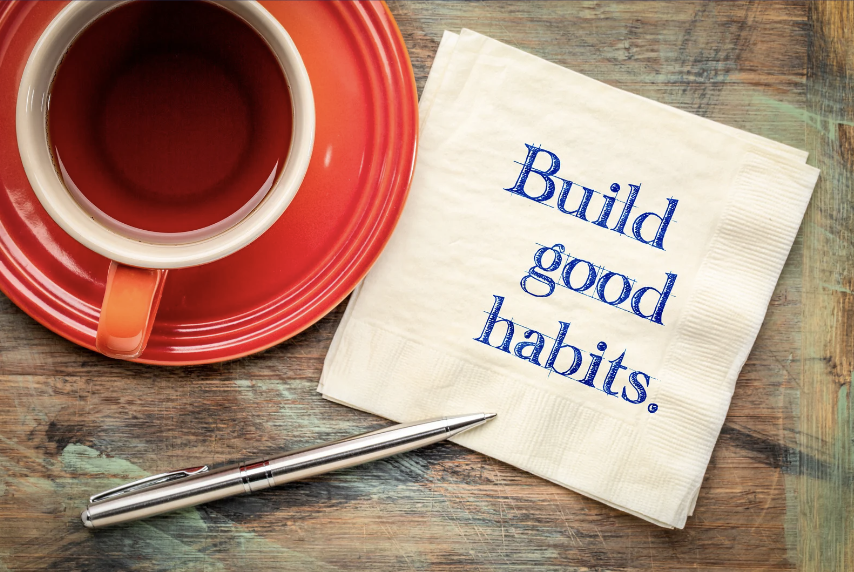
If you’ve ever told yourself “I know what to do, I just don’t do it,” this one’s for you. Our main barrier isn’t always nutrition knowledge, it’s not having the systems that help us act on what we already know. You Know What to Do, You Just Don’t Do It: How Habit Stacking Builds Consistency explores how small, repeatable actions can turn good intentions into lasting behaviour, helping you stay consistent with fuelling, recovery, and everyday nutrition even when life gets busy.
Between training, work, walking the dog, getting the kids to school, and remembering appointments, nutrition often slides down the list. We know we should fuel properly, eat enough protein, and recover after sessions, but remembering and repeating those behaviours daily is hard. That’s where habit stacking comes in. It creates structure, consistency, and removes the need to rely on motivation alone.
Why Habit Stacking Works for Nutrition
Nutrition is one of those areas where knowing and doing rarely align. You might have the perfect plan in theory, but in practice, life has other ideas. The real challenge isn’t lack of knowledge, it’s remembering to act on it when everything else competes for attention.
Three meals, snacks, hydration, pre-training fuel, and post-session recovery all require thought. Add in family commitments, work deadlines, and social life, and your brain has reached capacity before you’ve even made breakfast.
That’s why habit stacking works so well. It removes the reliance on willpower. Instead of forcing yourself to “be better,” you tie small actions to routines that already exist. For example, you could take your supplement after brushing your teeth or drink your recovery shake as soon as you put your training kit away. The existing habit becomes a trigger for the new behaviour. With repetition, it becomes automatic.
What Is Habit Stacking
Habit stacking is a behavioural method popularised by James Clear in Atomic Habits. It’s built on a simple idea, the easiest way to create a new habit is to attach it to something you already do.
Instead of setting vague goals like “I’ll eat more vegetables” or “I’ll recover properly after training,” you anchor the action to a specific cue. For example:
- Whilst making your morning coffee, have a glass of water.
- After packing your gym bag, add your pre and post-training snack.
- When you finish training, have your recovery snack
The habit you already have acts as an anchor. Each time you complete it, it reminds your brain to perform the next behaviour. Over time, the connection becomes so strong it no longer requires conscious effort.
How Triggers Help Create Habits
Triggers are what make habit stacking effective. They act as cues that signal when it’s time to act.
A trigger could be based on time, such as having breakfast at 8am, action, like switching off your laptop before preparing lunch, or location, such as drinking water when you walk into the kitchen.
Our brains crave patterns and predictability. When an action becomes linked to a familiar cue, it takes less mental energy to follow through. For example, finishing a workout can automatically signal the start of your recovery routine, stretching, rehydrating, or having a shake.
Eventually, you don’t think about it. The action happens naturally. That’s how long-term habits form, through consistency, repetition, and association, not motivation or willpower.

Why Nutrition Habits Are Hard to Maintain
Even the most disciplined athletes and professionals struggle to stay consistent with nutrition. The issue isn’t education, it’s that life constantly throws distractions in the way.
You might start the week with the best intentions, but by Wednesday, training runs late, the kids need picking up, or the fridge is empty. Suddenly, recovery is delayed, snacks are skipped, and dinner becomes whatever is easiest.
It’s not that you’re failing, it’s that your brain can only manage so many decisions before fatigue sets in. By the end of the day, those small nutritional tasks fall through the cracks.
Habit stacking reduces that decision fatigue. When healthy actions are attached to established routines, they become automatic. You’re not forcing new behaviour; you’re piggybacking on patterns that already exist.
My Example: Recovery Nutrition as a Habit
Research consistently shows that total protein intake across the day is what matters most for muscle repair and recovery. Still, I personally have a recovery meal or shake straight after training, not because it’s scientifically superior, but because it’s my habit.
Years ago, I made a conscious decision that when training ended, recovery began. It didn’t matter if it was a shake, bar, milkshake or sandwich – I simply ate something that contained both protein and carbohydrates. That act became a trigger. Over time, it stopped being a choice and became automatic (although occasionally the shake will be left on the stairs as I walk out the door, we’re not robots).
Even on lighter training days or rest days, I still find myself reaching for recovery food out of routine. That consistency means I rarely miss the window to refuel, and my overall nutrition stays on track.
For many of my clients, creating this kind of recovery trigger changes everything. It guarantees consistent protein intake, speeds recovery, and builds rhythm into their nutrition without needing extra thought.
Practical Ways to Use Habit Stacking in Everyday Nutrition
Habit stacking works because it’s simple. It doesn’t require apps, reminders, or new routines. You just link small nutrition actions to what you already do.
Here are some examples you can try:
- While your coffee brews, drink a glass of water or take your supplement.
- As you pack your gym bag, include your pre and post training snack.
- When you’re warming down after training, have your recovery shake.
- Each time you open your laptop, have 250ml of water from your water bottle
- Before brushing your teeth at night, prepare your breakfast smoothie or make those overnight oats.
- On your way to pick up the kids or whilst walking the dog, have a Skyr Yoghurt Pouch
These small pairings make nutrition effortless. You don’t have to think about when to act, your daily triggers do that for you. Repetition builds confidence, and before long, the habits feel second nature.
Turning Small Wins Into Lasting Change
The biggest barrier to nutrition consistency isn’t knowledge, it’s sustainability. We tend to focus on big goals, more protein, better fuelling, perfect hydration — but real progress comes from stacking small, consistent actions.
Every time you complete a habit, you reinforce your identity as someone who looks after their body. The more automatic these behaviours become, the more mental space you free up for training, recovery, and life.
You don’t need perfection, just repetition. The smallest actions, done consistently, make the biggest difference.
Takeaway and Next Steps
You Know What to Do, You Just Don’t Do It: How Habit Stacking Builds Consistency shows that success doesn’t come from knowing more, it comes from doing more of what already works.
By connecting small nutrition habits to daily triggers, you remove the mental load and make consistency automatic. Start small – choose one habit and one trigger.
Repeat that one pairing until it feels natural, then build from there. Over time, those small steps add up to consistent, effortless nutrition that supports your health and performance. But, don’t beat yourself up if you miss a day, human error happens.
If you want to develop a fuelling and recovery plan that fits your training and lifestyle, I work with athletes to build routines that last.
Book an Initial consult or discovery call to chat through which service is best for you.
Or if you want to discover more about the barriers that may be preventing you from succeeding on your nutrition plan, you can learn about the COM-B model or complete the Nutrition Gap Test, Score Card here.


