
When it comes to plant vs animal protein, many people wonder which is better for building muscle, improving recovery, and supporting optimal health. Whether you’re a trained athlete, just starting your fitness journey, or trying to adopt a more plant-based lifestyle, understanding how protein works, and how to choose complete protein sources, is essential.
Why Is Protein Important?
Protein is a macronutrient vital for muscle repair, growth, and overall body function. It plays a key role in:
- Repairing tissues and building muscle
- Supporting hormone production and enzyme function
- Maintaining strong bones, skin, and hair
- Managing appetite and reducing cravings thanks to its high satiety
- Boosting metabolism and aiding weight management
For athletes and active individuals, protein is especially important in preventing muscle breakdown, improving recovery, and supporting performance goals.
Amino Acids: The Building Blocks of Protein
Proteins are made up of 20 amino acids, which are split into two categories:
- Essential amino acids (9): These must come from food.
- Non-essential amino acids (11): These can be made by the body.
To support protein for muscle recovery, it’s crucial to get all essential amino acids. That’s where complete protein sources come in.
Plant vs Animal Protein: What’s the Difference?
Animal Proteins
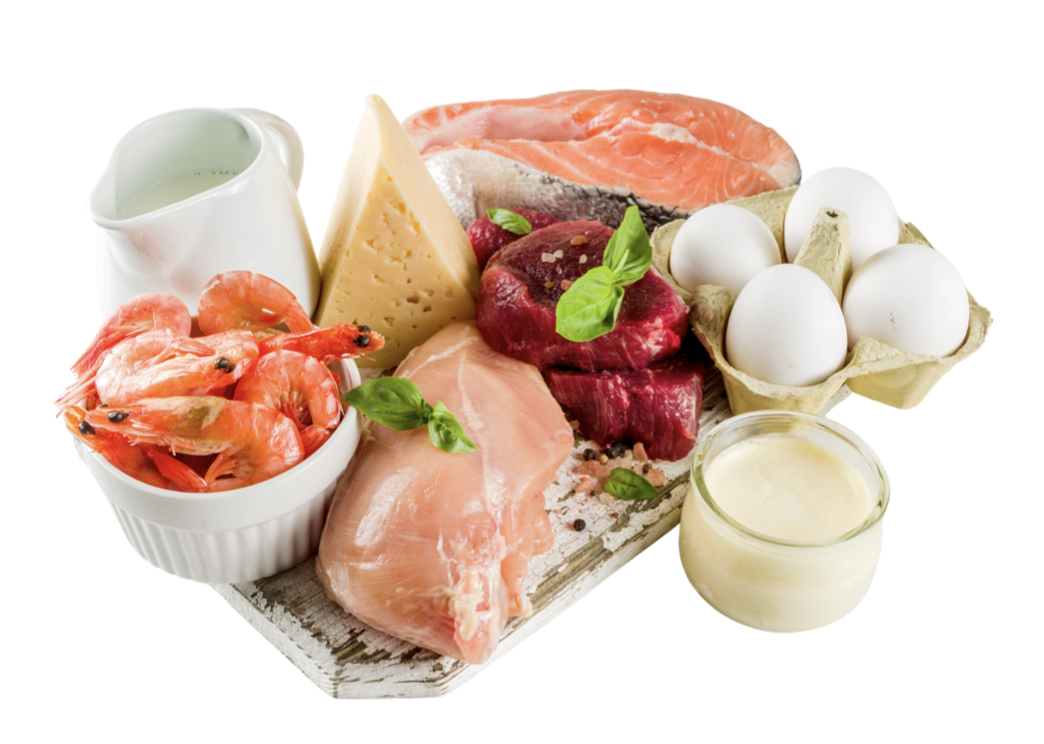
Animal proteins (meat, dairy, eggs, fish) are naturally complete proteins. They contain all 20 amino acids, including leucine—a key trigger for muscle growth. They also provide nutrients like:
- Vitamin B12
- Heme iron
- Zinc
- Omega-3 fatty acids
These nutrients are highly bioavailable, making animal protein efficient for supporting strength and recovery.
Plant Proteins
Most plant proteins (beans, lentils, grains, nuts) are incomplete, meaning they lack one or more essential amino acids. However, you can create a complete profile by eating a variety of plant sources.

Complete plant proteins include:
Chia seeds
Quinoa
Buckwheat
Soy (tofu, edamame, soy milk, tempeh)
If you follow a plant-based diet, mixing different plant foods and focusing on leucine-rich sources like soy-based products will help you hit your protein goals and support muscle repair.
Protein Requirements by Goal
Protein needs vary based on your training, body weight, and goals. Here’s a quick reference:
| Goal | Protein Intake (g/kg body weight) | Example (70kg individual) |
|---|---|---|
| General Health | 0.8 – 1.0 g | 56 – 70g |
| Endurance Training | 1.2 – 1.6 g | 84 – 112g |
| Strength Training | 1.5 – 2.0 g | 105 – 140g |
| Muscle Gain / Injury Recovery / Weight Loss | 2.0 – 2.5 g | 140 – 175g |
For example, a 70kg strength athlete should aim for 105–140g of protein per day. This can be spread across meals and snacks—about 21–28g of protein per serving.
Aim for:
- 3 main meals with 20–30g protein each – include a serving of meat/fish/soy based protein.
- 2 snacks with 10–20g protein each – Skyr/Aplro high protein yoghurts work great.
This strategy not only supports protein for muscle recovery and maintenance throughout the day, but also helps build consistent habits, making a high-protein snack after training an easy go-to. Just remember to pair it with some carbs and fluids for optimal recovery.
Emerging research shows that consuming larger, less frequent doses of protein, around 40–50g per meal, can be just as effective for supporting health and performance goals. This approach may suit those with busy schedules or who tend to skip snacks, but it should still align with overall nutrition strategies, including adequate energy intake and proper fuelling.
Animal-Based Protein Sources
| Food | Protein per Serving |
|---|---|
| Chicken breast (100g) | 31g |
| Salmon (100g) | 25g |
| Eggs (2 large) | 12g |
| Greek yogurt (200g) | 20g |
| Cottage cheese (100g) | 11g |
| Tuna (canned, 100g) | 23g |
| Beef (100g lean) | 26g |
| Milk (250ml) | 8g |
| Whey protein (1 scoop, ~30g) | 20–25g |
Plant-Based Protein Sources
| Food | Protein per Serving |
|---|---|
| Tofu (100g) | 10g |
| Tempeh (100g) | 19g |
| Edamame (100g) | 11g |
| Lentils (cooked, 1 cup) | 18g |
| Chickpeas (cooked, 1 cup) | 15g |
| Quinoa (cooked, 1 cup) | 8g |
| Peanut butter (2 tbsp) | 8g |
| Chia seeds (2 tbsp) | 5g |
| Soy milk (250ml) | 7g |
| Plant-based protein powder (1 scoop) | 20–25g |
What About Leucine?
Leucine is an essential amino acid and the trigger for muscle protein synthesis. Animal proteins are rich in leucine, while some plant sources may fall short.
To overcome this, include leucine-rich plant sources such as:
- Soy milk and soy yogurt
- Tofu and tempeh
- Edamame
These help ensure that plant vs animal protein doesn’t become a limiting factor in your recovery or progress.
Conclusion
When comparing plant vs animal protein, both can support health and performance if planned well. Animal proteins are naturally complete and nutrient-rich, while plant proteins can be equally effective when you eat a variety and pay attention to key amino acids like leucine.
The key is ensuring your diet includes enough complete protein sources to meet your body’s needs, especially for protein for muscle recovery.
No matter your dietary preferences, a balanced, protein-conscious approach will help you recover faster, train harder, and reach your health and fitness goals.
If you follow a plant-based diet, it’s also important to consider the practicalities of international travel. Depending on your destination, access to your usual protein sources may be limited. Research ahead to check the availability of plant-based options, and consider packing key foods or supplements—such as protein powders, shelf-stable soy products, or high-protein snacks—to help you stay consistent and fuelled while you’re away.


