
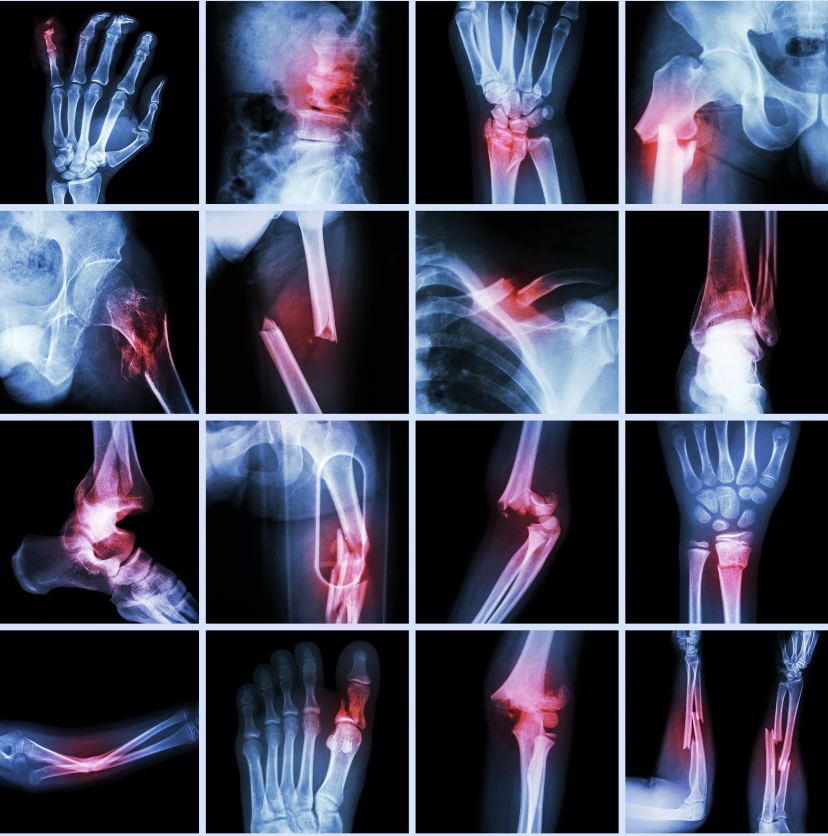
Injuries are frustrating. The day they occur is the day you realise you took physical fitness and health for granted. And all you want to know is how to get that status back as quickly as possible and yet for some reason nutrition is over looked. Instead of recognising food for what it really is, the ingredients that can heal you, many people panic and feel they need to eat less to avoid weight gain. So as we’re all literally made up of nutrients, here are 6 nutrition tips that can help heal you speed up that recovery.
6 nutrition tips that will make your route to recovery a direct one; after all no-one likes a diversion!
1. Eat Enough To Support Bone Healing
Yes over eating can also be problematic as the last thing you need is an additional 10kg going through a fractured bone you’re trying to offload and rehab. So balance is key!
Healing requires more energy than you think and the use of crutches requires 20%-30% more energy than walking. As a general guide consuming 30-35kcal/kg body weight so 2100-2450kcal for a 70kg individual provides an initial starting range.
Although bespoke nutrition plans are advised as intake depends on the severity of the injury, your rehab and training as fitness progresses.

TALKING ABOUT NOT EATING ENOUGH...THIS IS IMPORTANT 👇🏼
Stress fractures can be caused by high training loads and/or nutritional inadequacies.
Long term under eating/fuelling can also result in gut upsets, weight loss, impaired mental health and loss of menstrual cycle and could be a sign on REDs (Relative Energy Deficit in Sport).
If this is you or someone you know, then seeking medical advise and a full nutrition consultation is advised. You can read more about REDs in my blog post here
2. Push Up Protein
Bone is 50% protein by volume and 1/3 by mass. By maintaining a high and frequent intake you will not only support bone healing, but will help maintain lean mass, which will inevitably happen to an immobilised limb.
In most cases, you actually need more protein when injured than you do fully fit and it’s all done relative to your body mass in kg’s.
An example for a 70kg person is below.
- Training recommendations: 1.3-1.8g/kg/ body mass (91g-126g)
- Injury recommendations: 2.0-2.5g/kg body mass (140-175g)
To make things simple lets put it in a practical sense; include 1 source of protein in all your meals and within 2-3 snacks across the day. This protein content will naturally be higher in main meals at around 30-35g and lower in snacks 10-20g.
Below are the protein content of some foods to help guide.
- 155g Beef Steak: 36g
- 200g Prawns: 35g
- 150 Haddock Fillet: 28g
- 125g Chicken Breast: 28g
- 200g Arla/Skyr Yoghurt: 15-20g
- 80g Tempah: 16g
- 175g cooked pasta: 9g
- 200ml Milk: 7g
- 200ml Soy Milk: 7g
- Medium Egg: 7g
3. Rebuild Bone Formation with Calcium
99% of the body’s calcium is stored in bone and low dietary levels can lead to its breakdown. This is when it becomes weaker over time and that’s when we see the stress response or fracture. The remaining 1% of calcium aids muscle contractions, neural signalling and it can also be lost in sweat.
- The NHS general population recommendation: 700mg each day.
- Those with bone injuries should increase this to 1500mg. That’s the equivalent of 5 glasses of milk.
You’ll find calcium from a range of animal, plant and fortified foods:
- 4-5 Sardines: 500mg
- 125g/half cup Tofu: 438mg
- 250ml/1 glass Fortified Orange Juice: 343mg
- 200g Arla/Skyr Yoghurt: 321g
- 250ml/1 glass Semi skimmed Milk: 300mg
- 200g prawns: 158g
- 20g Cheddar Cheese: 140g
- 175g Cooked Pasta: 112mg
- 250ml/1 glass Soy Milk: 62mg
4. Vitamin D For Calcium Absorption
The sunshine vitamin is important for the absorption of calcium. The main cause of deficiency is low exposure to UVB radiation from the sun to the skin.
Typically, in Britain we only get UVB radiation from April to November so deficiency is common in the winter months and supplementation may be required.
- The UK recommended intake is 600IU
- Those with bone injuries should have a bloods test prior to any supplementation. If unable to access bloods take 2,000IU per day until the bone has fused.
- Between April to November you only need 10-15 minutes sun exposure on the face and arms (in absence of sunscreen) to maintain sufficient levels on Vitamins D.
5. Micronutrients: the little guys with a big role
Don’t forget your little minions! You should be able to achieve all the nutrients needed to facilitate bone healing from your diet alone.
Supplementation should only be necessary for those who omit specific food groups from their diet or who are struggling to meet energy needs, with the only exception being Vitamin D in the winter months or calcium if you’re struggling to hit the 1500mg.
Having a colourful diet aiming for 7 servings a day (5 vegetables and 2 fruits) will set you on the right path.
6. Foods To Reduce:
Foods that are highly processed, deep fried, refined sugar and alcohol can all contribute to inflammation, weight gain and delayed healing.
If you do enjoy these foods try and stick to the 90:10, if you’re doing it right 90% of the time the 10% can be a treat. Injuries can really impact mental wellbeing and if having that 10% will give you the pick me up you need, then it’s a worthy investment.
Summary:
Performance nutrition plays a significant role healing bone injuries. Aligning your nutrition with your rehab will get you back to your workouts as the crow flies, but get it wrong and it can feel like you’re trying to chase the end of the rainbow.
Having a clear, personalised, structured plan will give you the confidence you need to know you’re healing and look to get back to those gym classes or that next competition in the diary.


2 Comments